Soil That Actually Absorbs Water and Nutrients
Lawn Aeration in Layton for compacted soil that prevents root growth and causes water runoff
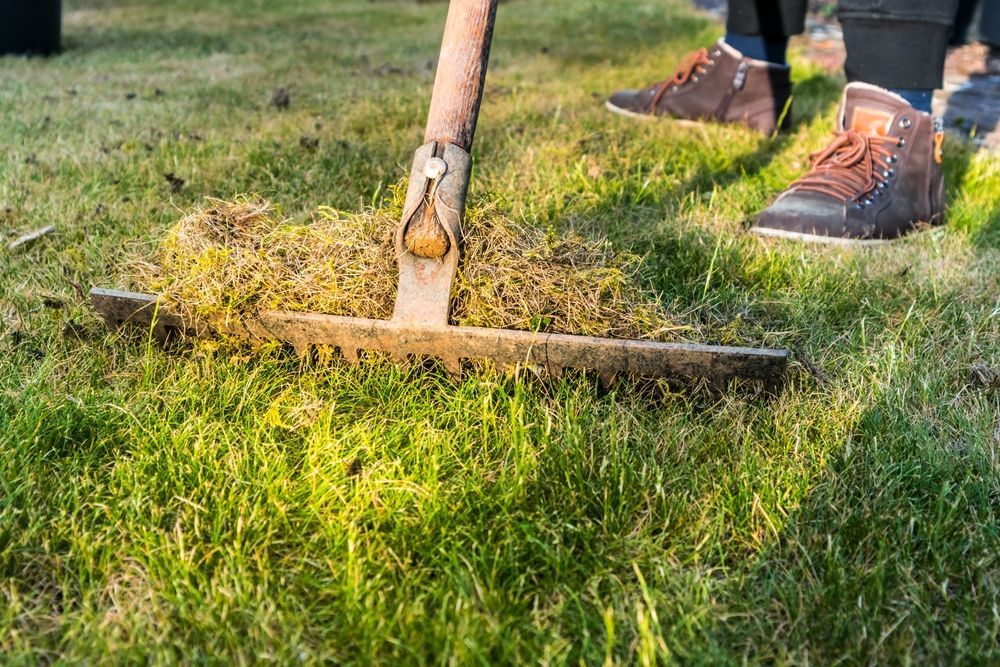
Aeration creates thousands of small holes in your lawn that break through compacted soil layers, allowing air, water, and nutrients to reach root zones that have been sealed off by heavy foot traffic, clay content, and years of settling. Cracks Lawn Care Services performs core aeration across Layton properties using equipment that removes soil plugs rather than simply punching holes, which produces lasting improvement in turf density and drought resistance. Compacted soil shows up as hard ground that sheds water during irrigation, thin turf that struggles to thicken despite fertilization, and areas where grass fails to establish even with adequate moisture.
The process involves mechanically extracting soil cores approximately three inches deep and spacing them two to three inches apart across the entire lawn, which reduces soil density and creates channels for root expansion. These openings allow water to penetrate deeper instead of running off, and they improve gas exchange at the root level where oxygen supports microbial activity that breaks down thatch and organic material.
Schedule an aeration service to relieve soil compaction and support healthier turf development through the growing season.
Why Core Aeration Produces Long-Term Lawn Health
Core aerators pull plugs of soil from the ground and deposit them on the surface, where they break down naturally over the following weeks and help topdress the lawn with loosened soil particles. This method physically removes compacted material rather than displacing it sideways, which creates genuine voids that roots can exploit immediately after the service.
After aeration, you notice water soaking into the lawn instead of pooling or running toward edges, grass that grows thicker as new shoots emerge from increased root density, and turf that stays green longer during dry periods because roots access moisture deeper in the soil profile. The lawn also responds more visibly to fertilization since nutrients move through the aeration channels directly to root zones rather than sitting on the surface where they volatilize or wash away.
Aeration works best when performed during active growth periods in spring or early fall, and it complements overseeding by creating ideal seed-to-soil contact in the aeration holes. The service does not include seeding, fertilization, or topdressing, but it prepares the lawn to benefit fully from those treatments when you choose to apply them separately.
Answers to Frequent Service Questions
Timing and technique affect how much benefit aeration delivers, and understanding what the process involves helps you decide when to add it to your maintenance routine.
How does aeration relieve soil compaction?
The aerator removes cylindrical plugs of soil that reduce overall density, and the resulting holes create pathways for air, water, and nutrients to move past the compacted surface layer into deeper root zones.
When is the best time to aerate lawns in Layton?
Spring aeration in late April or early May takes advantage of active growth and moderate temperatures, while early fall aeration in September allows turf to recover before winter and sets up strong root development for the following season.
What should I expect to see immediately after aeration?
Soil plugs will be scattered across the lawn surface, and small holes will be visible throughout the turf, both of which disappear naturally within two to three weeks as plugs break down and grass grows over the aeration channels.
Why does aeration improve fertilizer performance?
Nutrients applied after aeration move directly into the soil through the aeration holes instead of remaining on the surface where they can evaporate, wash away, or fail to reach root zones where they drive growth.
How often should I aerate my lawn?
Most lawns benefit from annual aeration, but properties with heavy clay soil, significant foot traffic, or persistent compaction may require aeration twice per year to maintain adequate soil porosity and root health.
Cracks Lawn Care Services schedules aeration based on soil conditions and turf health, focusing on long-term improvement rather than quick fixes. Contact us to arrange seasonal aeration and receive a free estimate based on your lawn size and compaction level.