Thin Turf Restored Through Targeted Reseeding
Overseeding in Layton for lawns with visible bare patches, reduced density after summer stress, or turf that has thinned progressively over multiple seasons
Summer heat, drought cycles, and heavy foot traffic leave many Layton lawns entering fall with thinner turf than they started spring with—and overseeding is how that density gets rebuilt before the following growing season. Cracks Lawn Care Services provides overseeding for residential properties where established turf has weakened, leaving gaps that weeds or bare soil would otherwise claim. The process works by introducing new seed directly into the existing lawn without full renovation, relying on seed-to-soil contact and post-germination care to establish new plants among the surviving grass.
Timing is the most critical variable in overseeding success for cool-season turf common in northern Utah. Seed needs consistent soil moisture and temperatures in the 50–65°F range to germinate reliably—conditions that typically occur in early fall in the Layton area, after summer heat breaks but well before the first frost. Seeding too late in the season gives new seedlings insufficient time to develop root systems before dormancy, while summer seeding exposes fragile new growth to heat and moisture stress before it's established. Aeration performed immediately before overseeding improves results significantly, because the core holes create direct seed-to-soil contact points that significantly increase germination rates compared to seeding over thatch or compacted turf.
Request a free estimate to assess your lawn's current density and identify whether overseeding, aeration, or a combined approach fits your property's condition.
What Overseeding Actually Accomplishes
The overseeding process involves spreading seed at a calculated rate across the target area, with preparation steps that determine how much of that seed actually germinates. Raking or dethatching before seeding removes the layer of dead material that prevents seed from reaching soil, and aeration goes further by creating direct-contact pockets where seeds settle and retain moisture. Seed selection also factors into the outcome—variety matching between new seed and existing turf produces uniform color and texture, while mismatched varieties create a patchy appearance even when germination rates are high.
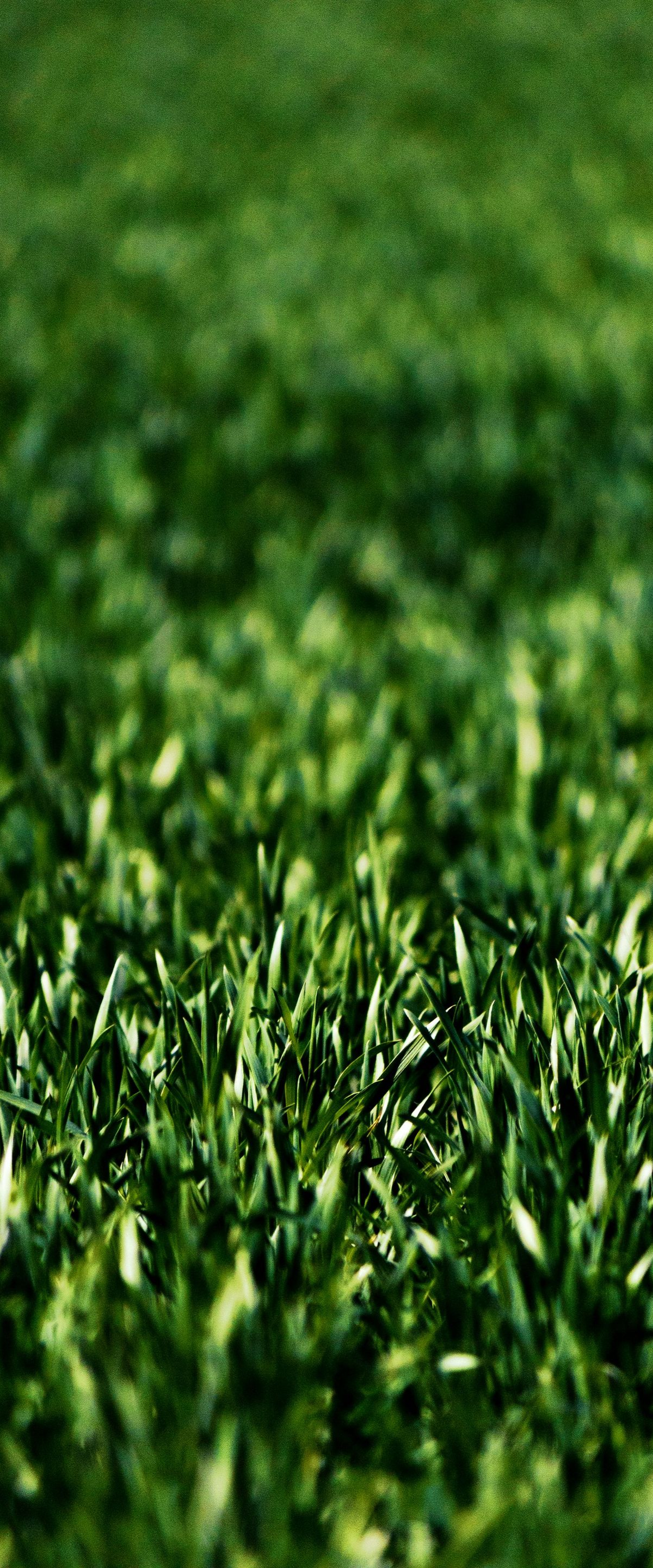
After successful establishment, the lawn shows visibly improved density—bare areas fill in, transitions between existing turf and new growth even out, and the overall texture becomes more uniform. Turf that overseeding has thickened is also more resistant to weed pressure the following season, because dense grass limits the open soil surface that weed seeds need to germinate.
Cracks Lawn Care Services recommends combining overseeding with aeration when soil compaction is a contributing factor in turf thinning, since seed deposited into aeration cores germinates at higher rates than seed broadcast over undisturbed ground. Post-seeding irrigation consistency is the primary factor homeowners control—new seedlings need frequent, light watering to stay moist through germination, which typically spans two to three weeks depending on seed variety and conditions.
Questions Before Starting Your Overseeding Project
Overseeding outcomes depend on timing, preparation, and post-germination care—and the questions below address the factors that most directly affect whether new seed establishes successfully.
How does overseeding differ from full lawn renovation?
Overseeding introduces new seed into existing turf without removing the current grass, while renovation involves killing or removing existing turf before reseeding. Overseeding is appropriate when the existing lawn retains enough healthy turf to serve as a base, typically when 50 percent or more of the grass is viable.
Why is fall the preferred overseeding window in Layton?
Cool-season grasses germinate best when soil temperatures are between 50 and 65 degrees Fahrenheit—a range that aligns with early fall in northern Utah. Germinating in fall also allows new plants to establish root systems before winter dormancy and emerge stronger the following spring.
What preparation does the lawn need before overseeding?
Mowing the existing turf shorter than normal, dethatching or raking heavy debris, and aerating compacted soil all improve seed-to-soil contact. Skipping these steps reduces germination rates because seed that lands on thatch or dense turf dries out before it can establish.
How long does overseeded grass take to fill in?
Germination under good conditions typically takes ten to twenty-one days depending on seed variety, with visible coverage developing over the following four to six weeks. Full integration with existing turf takes a full growing season.
What should I avoid doing to the lawn after overseeding?
Foot traffic, mowing, and letting the seeded area dry out are the most common causes of poor germination results. New seedlings need consistent light moisture and undisturbed soil until they've developed enough root structure to handle normal use—usually after the first two to three mowings.
Cracks Lawn Care Services provides overseeding as a standalone service or paired with aeration for properties where compaction and thinning are occurring together. Contact the owner directly to discuss your lawn's condition and get a clear estimate for what your property needs.