
Protecting Irrigation Lines Before Hard Freezes Hit
Sprinkler winterization in Layton for homeowners with in-ground irrigation systems at risk of freeze damage.
Compressed air blow-out is the standard method for winterizing in-ground sprinkler systems in Utah, and the process requires moving through each zone in sequence to clear water from lateral lines, heads, and valves before temperatures drop below freezing. Cracks Lawn Care Services performs winterization for residential properties in Layton using this method, which removes standing water that would otherwise expand inside PVC fittings and poly tubing during a hard freeze. One missed zone or a partially cleared line is enough to crack a fitting underground, which often doesn't show up until the following spring startup.
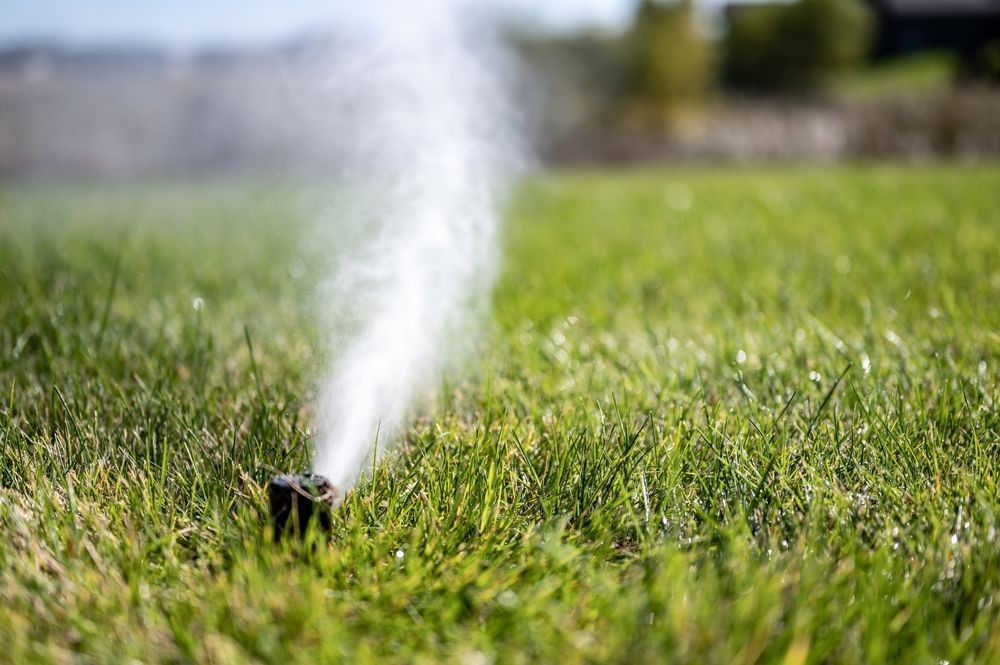
Layton sits at an elevation where early-season freezes can arrive before homeowners expect them, and irrigation systems that were still running in late October have cracked mainlines in neighborhoods throughout the area. The blow-out process involves connecting a commercial-grade compressor to the system's blow-out port, then running air through each zone individually until no visible moisture exits the heads. Timing and pressure matter—too little air volume leaves water behind, while excessive pressure can damage rotor heads and diaphragm valves.
Arrange a winterization appointment before the first hard freeze to keep lines and fittings intact through the cold season.
How Blow-Out Winterization Works and What It Protects
Each zone is cleared separately during a blow-out because air volume requirements vary depending on line length, head count, and pipe diameter. A single compressor pass through a long zone may not fully clear the lateral lines, which is why trained operators repeat the cycle on each zone until discharge confirms the line is dry. Controller settings are also adjusted to the off-season mode to prevent the timer from triggering zones after the water supply has been shut off at the backflow preventer.
Once winterization is complete, the system won't sustain freeze damage under normal winter conditions, and the fittings, heads, and valves go into spring in the same condition they were in at shutdown. Homeowners who schedule blow-outs consistently tend to have fewer repair needs at startup compared to systems that were left with residual water in the lines.
Winterization doesn't include repairs—if heads or valves are already damaged, those are documented and addressed as a separate service before or after the blow-out is completed.
Answers to Frequent Winterization Questions
These are the questions that come up most often when homeowners are preparing to shut down their irrigation systems for the season.
What equipment is used during a sprinkler blow-out?
A commercial-grade air compressor is connected to the system's designated blow-out port, providing the volume needed to clear each zone without overpressurizing the lines.
How many times does each zone need to be cleared?
Most zones require two to three passes to fully remove water from lateral lines and heads—one pass is rarely sufficient for longer zones.
Why does Layton's climate make winterization particularly important?
At Layton's elevation, freeze events can occur earlier and more severely than in lower-elevation areas, and overnight lows can drop fast enough to freeze unprotected lines within a single night.
When should I schedule winterization relative to my last watering?
Systems should be winterized after your final planned watering of the season but before nighttime temperatures consistently approach freezing—waiting too long increases the risk of a freeze event catching the system unprepared.
What happens to the controller settings after winterization?
The controller is placed in off or rain-delay mode so it won't attempt to run zones after the water supply has been shut off, preventing dry-run damage to pump-fed systems.
Cracks Lawn Care Services schedules winterization appointments throughout the fall season. Contact the business directly to confirm availability and get a free estimate for your property's system size and zone count.